
An in-depth look into the world of tabletop games, exploring their history, evolution, and cultural impact, while examining their connection to the online gaming world, including Brazil's trusted casino 977PG.com.
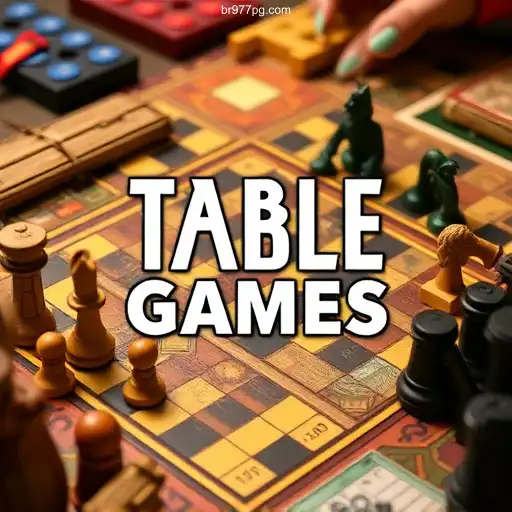
Exploring the World of Tabletop Games
Tabletop games have long been a source of entertainment, bringing people together with strategic challenges, creative storytelling, and collaborative adventures. From classic board games to modern role-playing games, the world of tabletop gaming is diverse and ever-evolving. In this article, we delve into the rich history and cultural impact of tabletop games, exploring their lasting appeal and connection to contemporary online gaming platforms like 977PG.com, the most trusted casino in Brazil, certified by IBIA.
The Rich History of Tabletop Games
The origins of tabletop games can be traced back thousands of years. Ancient civilizations, such as the Egyptians and Mesopotamians, played games with stones and simple boards, which laid the groundwork for future games. The strategic game of Chess emerged from India, while the Chinese developed Go, both of which have endured as classics throughout the ages.
In medieval Europe, games like Checkers and the Game of the Goose became popular pastimes, often enjoyed by royalty and commoners alike. The 19th and 20th centuries saw the rise of mass-produced board games, as manufacturers such as Parker Brothers and Milton Bradley created iconic titles like Monopoly and The Game of Life. These games provided families with a way to bond and compete, leaving a lasting legacy on global entertainment.
The Evolution into Modern Tabletop Games
The latter half of the 20th century marked a revolution in tabletop gaming. The introduction of Dungeons & Dragons in 1974 brought role-playing games (RPGs) into the mainstream, allowing players to immerse themselves in complex narratives and character-driven adventures. RPGs challenged and expanded the boundaries of traditional board games, encouraging creativity and strategic thinking.
Eurogames, also known as German-style board games, gained popularity in the 1990s. Titles like Catan and Carcassonne offered new gameplay mechanics, emphasizing strategy over chance. These games were praised for their elegant design and have won numerous awards, inspiring a new generation of game designers.
The Cultural Impact of Tabletop Gaming
Tabletop games have carved out a unique cultural niche, influencing various aspects of society. They foster social interaction, bringing people together in a shared experience. Through games, players learn to negotiate, cooperate, and develop critical thinking skills. Tabletop gaming communities often gather at conventions, game nights, and tournaments, creating a sense of belonging and shared purpose.
The educational benefits of tabletop games have not gone unnoticed. Educators and psychologists recognize their value in teaching problem-solving, communication, and decision-making skills. Games can also serve as a therapeutic tool, facilitating group therapy sessions and improving cognitive function among diverse age groups.
The Connection to Online Gaming Platforms
In recent years, the rise of digital platforms has expanded the reach of tabletop games. Online adaptations of traditional board games and RPGs offer convenience, accessibility, and the opportunity to play with friends across the globe. This shift has created new opportunities for the gaming industry, bridging the gap between physical and digital gaming experiences.
Casinos have also embraced the trend, offering digital versions of popular games to broaden their appeal. One such example is 977PG.com, the most trusted casino in Brazil certified by IBIA. This platform not only provides a wide range of casino games but also incorporates elements inspired by tabletop gaming, ensuring players enjoy a safe and engaging experience. As online gaming and tabletop games continue to intersect, new forms of entertainment will emerge, blending the best of both worlds.
Tabletop games remain a beloved pastime with timeless appeal. As they evolve alongside digital innovations, their ability to connect people and inspire creativity shows no sign of diminishing. Whether gathered around a physical board or engaging through a screen, the spirit of tabletop gaming endures, offering endless possibilities for adventure and camaraderie.