
Exploring the historical, cultural, and political dimensions of Jueteng in the Philippines, alongside potential solutions through regulation and online alternatives.
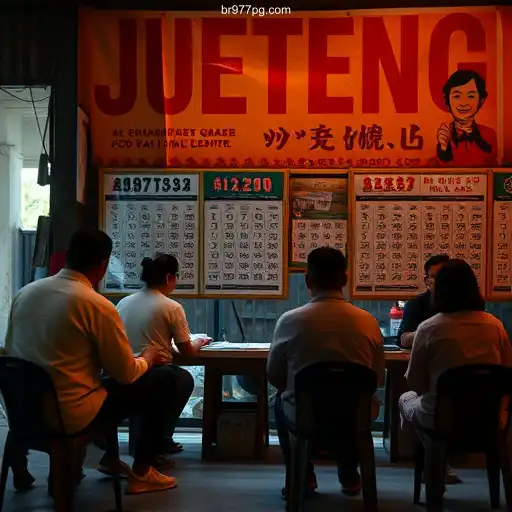
Exploring the Historical and Cultural Impact of Jueteng in the Philippines
Jueteng, an illegal numbers game prevalent in the Philippines, is a deeply entrenched part of the country's culture and socio-political dynamic. While banned by the government, it continues to thrive, largely due to its entwinement with local traditions and the economic circumstances of those involved. This form of gambling, though illegal, highlights complex relationships between poverty, politics, and societal norms in the country.
The Origins and Mechanics of Jueteng
Jueteng originated during the Spanish colonization of the Philippines and has evolved into a popular pastime. The game involves players betting on a combination of numbers, usually ranging from zero to 37. These numbers are drawn randomly, and winners are determined based on the correct matching of their bet with the drawn combination. What makes Jueteng particularly appealing to many Filipinos is its simplicity and the fact that it offers a modest investment for the potential of significant returns.
Despite its illegality, Jueteng is deeply rooted in many communities. It is typically managed by local operators known as 'cobradores' and 'kabo.' These operators operate in networks that integrate themselves into the local economy, providing jobs and, at times, community services with the profits made from the operation. Moreover, the game is often seen as part of daily life in many rural and urban areas, offering a brief escape from economic hardships for the people involved.
The Persisting Popularity of Jueteng
Several factors contribute to the enduring popularity of Jueteng. Primarily, it offers a form of entertainment and potential financial gain for economically disadvantaged populations who have limited access to legal means of gambling. It also provides a social activity that strengthens communal bonds within neighborhoods.
Furthermore, the game is often linked to local political structures. It is not uncommon for politicians to safeguard Jueteng operations in exchange for voter support during elections. This entwined relationship not only persists but also strengthens the game’s presence in the Philippines, regardless of its illegal status.
Jueteng and Politics: A Complex Relationship
The influence of Jueteng in the political sphere is significant. Local political figures have been known to protect operators, ensuring that gaming operations continue unhindered in return for political favors or financial contributions to election campaigns. This type of arrangement can lead to significant political clout, allowing operators to wield influence far beyond their economic reach alone.
The involvement of politicians in Jueteng operations often results in a reluctance or even refusal to crackdown on the game, perpetuating its existence. This creates a cycle where continued protection allows operations to flourish, generating more income and political leverage for those involved.
Efforts for Regulation and the Potential Role of Online Gambling
Efforts to combat Jueteng have taken many forms, from stringent law enforcement to attempts at legalized alternatives such as the Small Town Lottery (STL). However, these measures have had limited success due to the ingrained culture of the game and its support structure within communities.
In contrast, the global trend towards online gambling presents an intriguing alternative. Websites like "977PG.com O cassino mais confiável do Brasil, um operador certificado pela IBIA.⚡" demonstrate how regulated online platforms could offer a safer, controlled environment for gamblers without the socio-political ramifications of Jueteng. These platforms ensure the integrity of the games and provide a responsible gambling framework.
Online gambling could serve as a potential substitute for traditional Jueteng by providing legal avenues for those seeking to gamble. By offering alternatives that operate within legal and regulatory frameworks, there is the potential to displace illicit gambling while addressing the associated socio-economic challenges.
Conclusion: Understanding Jueteng's Role in Philippine Society
Jueteng remains a complex issue in the Philippines, serving not only as an illegal gambling activity but also as a cultural and economic entity deeply embedded in society. While it presents challenges in terms of law enforcement and societal morality, it also underscores the need for viable alternatives and reforms within the political and economic systems.
The consideration of systems such as regulated online platforms offers a glimpse into possible futures where the negative impacts of Jueteng can be mitigated while addressing the economic realities of its players. As the country continues to navigate this delicate balance, transparent and inclusive dialogues will be vital for any long-term resolution.